
Brachycephalic Obstructive Airway Syndrome (BOAS)
Brachycephalic Obstructive Airway Syndrome
A brachycephalic dog describes a dog that has been bred to flatten its’ face. This flattening of the face leads to a number of abnormalities of the breathing passages – including narrowed nostrils, an elongated soft palate, and abnormalities of the larynx. All of these changes basically decrease the diameter of their airflow thus they are unable to cope with sometimes normal stresses but especially during exercise and warmer/hot temperatures. Every individual will vary in the extent they suffer the above changes.
Noisy breathing and snoring are good indicators that your brachycephalic dog has an elongated soft palpate, their nostrils can be assessed visually by us and the changes to the larynx can only be assessed when your dog is heavily sedated or anaesthetised. We try to make it a point to discuss these issues with you when you bring your pet for a check-up. These abnormalities can be surgically corrected and thus give your dog the ability to cope better with stress, heat and exercise.
If you are concerned about your pet’s breathing, please give us a call on (02) 4261 4055 to book an appointment to discuss these issues and your options.

Book an appointment today!
Latest News
Obesity in Dogs
Just as with people, our pets can suffer from obesity. As their advocates, we must treat them like children, providing only foods that are good for them and in the correct portions. Many pet owners ask us about the correct weight for their animal. We often respond...
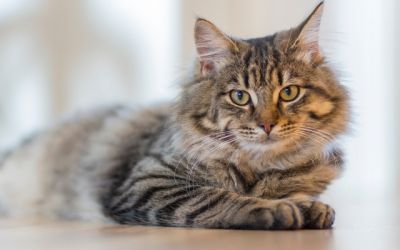
Feline Cat Osteoarthritis
Osteoarthritis is a common condition that affects cats, just as it does dogs. In fact, up to 40% of cats may suffer from osteoarthritis, particularly those over 8 years old. While cats often show very subtle or no changes in behavior when they are in pain, it is...

Pet Anxiety
Anxiety is a common issue among pets and is being diagnosed more frequently as pet owners become more aware of the signs to look out for. The past few years have contributed to an increase in pet anxiety as many animals have become used to their owners being home all...